
Solutions that keep transit moving
Our Transit Operating Suite can help your transportation teams manage operations with more clarity and control.

Solutions that keep transit moving
Our Transit Operating Suite can help your transportation teams manage operations with more clarity and control.
Build a more predictable transportation operation.
The Transit Operating Suite connects demand response, fixed route and on-demand service, asset management, workforce management, and safety into one coordinated operating model.
Identify the pressure
Service reliability, fleet readiness, workforce coordination, safety, eligibility, or reporting.
Map the right solution area
Find the capability that addresses the immediate operational challenge.
Connect the broader operation
Scale from a single solution into a more connected view of service performance.
Move into the right product path
Continue into the product destination, proof point, or conversation that fits the need.
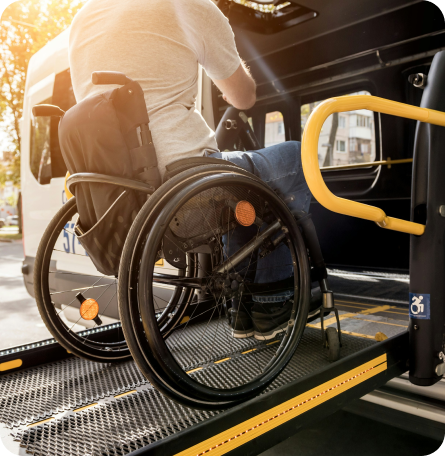
Coordinate demand response around real demand and real capacity.
Demand response becomes more predictable when booking, scheduling, dispatch, vehicle readiness, workforce availability, rider communication, and performance reporting work together.
Transit Technologies helps teams align service decisions with live operational context, improving productivity, cost control, rider communication, and confidence in day-to-day performance.
Challenges Met
Missed trips
Low productivity
Manual scheduling
Dispatch overload
Poor rider communication
Cost-per-trip volatility
Siloed demand response and fixed route planning



Bring fixed route and on-demand service into one operating model
Fixed route, on-demand, and special services often operate as separate systems, creating gaps for riders, drivers, dispatchers, and administrators.
Transit Technologies helps teams coordinate modes with shared operational data, real-time visibility, and clearer rider communication, so service can adapt to real-world conditions without fragmenting the experience.
Challenges Met
Separate modal planning
Poor transfer between service types
Inaccurate ETAs
Low ridership confidence
Event and peak period strain
Limited visibility across modes

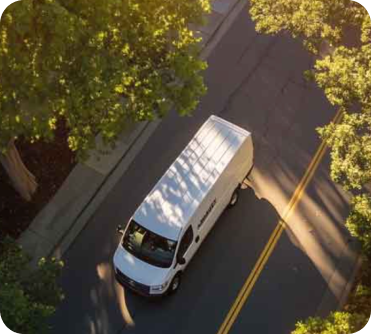
Keep fleets ready for the service that depends on them.
Fleet readiness affects everything downstream: service reliability, cost per trip, safety, rider experience, and capital planning.
Transit Technologies helps teams connect maintenance activity, asset health, outsourced repairs, vendor activity, lifecycle data, and operational readiness so vehicles are available when service depends on them.
Challenges Met
Unplanned downtime
Manual maintenance workflows
Missing outsourced repair data
Incomplete cost visibility
Reactive maintenance
Unclear lifecycle planning


Connect the workforce decisions behind daily service
Staffing, dispatch, timekeeping, communication, and payroll all affect whether service runs as planned. When those workflows are disconnected, teams lose time, accuracy, and accountability.
Transit Technologies Workforce Management helps agencies and operators reduce manual reconciliation, validate hours with GPS and time data, communicate with operators, and compare scheduled versus actual performance in real time.
Challenges Met
Manual payroll verification
Overtime disputes
Missed check-ins
Staffing visibility gaps
Dispatch delays
Disconnected GPS, scheduling, and payroll systems



Move safety from after-the-fact investigation to real-time visibility
Safety risk often becomes visible too late. Without reliable evidence, documentation, and alerts, teams carry more liability, more compliance burden, and less confidence when incidents occur.
Transit Technologies helps teams identify risk earlier, document events, support compliance, and protect riders, drivers, and organizations with connected safety visibility.
Challenges Met
Limited incident evidence
Wheelchair securement risk
Compliance documentation gaps
Driver and passenger safety exposure
Liability and insurance risk
Reactive safety management


Build a more predictable transportation operation.
Tell us where the operation is losing time, money, or reliability. We’ll help identify the next change that can protect service, reduce risk, and give your team more control.